
Korean and Chinese New Year: New Beginnings, Shared Traditions, and Global Connections

Lunar New Year is celebrated across several Asian cultures, each with its own unique traditions and meanings. Two of the most widely observed celebrations are Chinese New Year and Korean New Year (Seollal). While the customs may differ, both festivals mark a fresh start, a time for family gatherings, gratitude, and hopes for prosperity in the year ahead.
Chinese New Year: The Year of the Fire Horse and New Beginnings
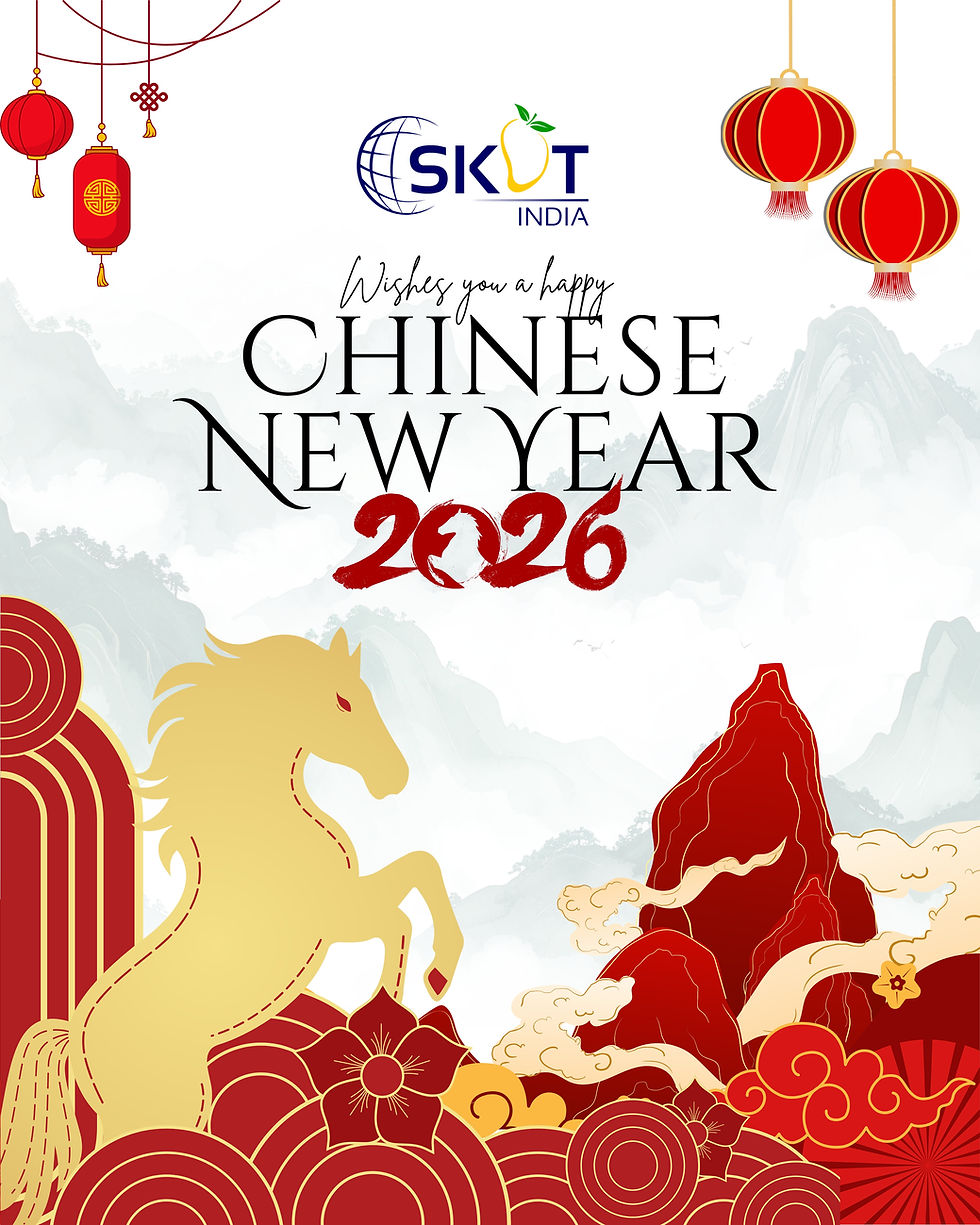
Chinese New Year, also called the Spring Festival, is more than a date on a calendar. It marks a fresh start, a time when families reset, businesses plan ahead, and people welcome a new cycle with optimism. Each lunar year is represented by a zodiac animal, and this year is celebrated as the Year of the Fire Horse.
The Horse in Chinese tradition symbolizes energy, movement, independence, and progress. When combined with the fire element, the theme becomes even stronger: bold decisions, momentum, and a willingness to move forward with confidence. Many people see this year as a time for action, travel, new partnerships, and expansion.
What People Traditionally Do During Chinese New Year
Across China and in Chinese communities around the world, celebrations follow customs that have been preserved for centuries:
Family reunions: The most important part of the festival. Families travel long distances to gather for a shared New Year’s meal.
Red decorations and lanterns: Red symbolizes luck and happiness, and homes and businesses are decorated to invite good fortune.
Giving red envelopes: Elders gift red envelopes (hongbao) to children and younger relatives as a blessing for prosperity.
Cleaning and resetting: Homes are cleaned before the new year to sweep away bad luck and make space for new beginnings.
Special festive foods: Dumplings, noodles, rice cakes, and regional specialties are prepared to symbolize wealth, longevity, and abundance.
The spirit behind these traditions is simple: start fresh, stay connected, and look ahead with hope.
Korean New Year (Seollal): Honoring Family and Heritage
In Korea, Lunar New Year is known as Seollal, one of the most important traditional holidays of the year. While it also marks the beginning of a new lunar calendar, Seollal focuses strongly on respect for elders, family heritage, and gratitude.
Many families travel back to their hometowns to spend time together. A key tradition is charye, a ceremonial table prepared to honor ancestors, showing respect and remembrance across generations. Younger family members perform deep bows to elders, known as sebae, and receive blessings and words of encouragement for the year ahead.
Food plays a central role during Seollal. The most iconic dish is tteokguk (rice cake soup), which symbolizes gaining a year of age and starting the new year with clarity and good fortune. Sharing meals together represents unity, warmth, and continuation of tradition.

A Long History of India–East Asia Exchange
India’s connections with China and Korea stretch back centuries through maritime trade routes and cultural exchange. Spices, textiles, tea, and agricultural goods moved across regions, while ideas and traditions shaped stronger ties between communities.
Today, these relationships continue through global business, food industries, and cultural collaboration. Festivals like Lunar New Year remind us that while traditions may look different, the values behind them are universal: family, respect, renewal, and shared prosperity.
A Season of New Energy and Opportunity
Across many industries, the Lunar New Year period is seen as a natural reset. Businesses review goals, partnerships restart, and new ideas begin to take shape. The energetic symbolism of the Fire Horse, combined with the thoughtful traditions of Seollal, creates a meaningful reminder to move forward with purpose while staying rooted in values.
For global buyers, suppliers, and partners, this season reflects more than celebration. It represents trust, long-term relationships, and the beginning of new opportunities.
Warm Wishes from SKOT INDIA
From all of us at SKOT INDIA, we extend our heartfelt wishes to everyone celebrating Chinese New Year and Korean New Year.
May the year ahead bring growth, good health, meaningful partnerships, and lasting success to you and your families.
Wishing you happiness, prosperity, and new beginnings.
P.S. A Little New Year Secret from SKOT INDIA
P.S. Here’s something fun you can actually try this season. Instead of the usual desserts, try making Mango Fortune Dumplings using SKOT INDIA Mango Puree. They’re inspired by the classic sweet dumpling concept, but with a bright mango twist that works beautifully for festive menus, cafes, and home celebrations.
Mango Fortune Dumplings (with Mango Puree)
What you need
SKOT INDIA Mango Puree
Dumpling wrappers (or glutinous rice dough)
Cream cheese or thick coconut filling (optional)
A little honey or sugar
Sesame seeds for garnish
How to make it
Mix mango puree with a small amount of honey or sugar to create a thick, glossy filling.
Place a spoonful in the center of each wrapper. Add a tiny bit of cream cheese or coconut if you want extra richness.
Fold and seal gently. Steam for 6–8 minutes or lightly pan-sear for a crisp edge.
Brush with a little warm mango puree before serving and sprinkle sesame seeds on top.

The result is soft, warm dumplings with a naturally fruity center that feels festive but still familiar. If you run a bakery, café, or food brand, this is the kind of seasonal variation customers remember.


Comments